


 Tel:+86 187-6464-2379
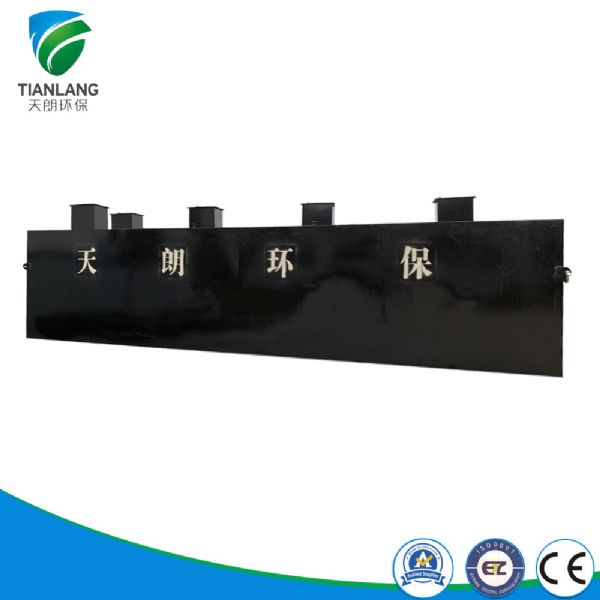
Product analysis and process introduction of buried integrated sewage treatment equipment
2019-3-8
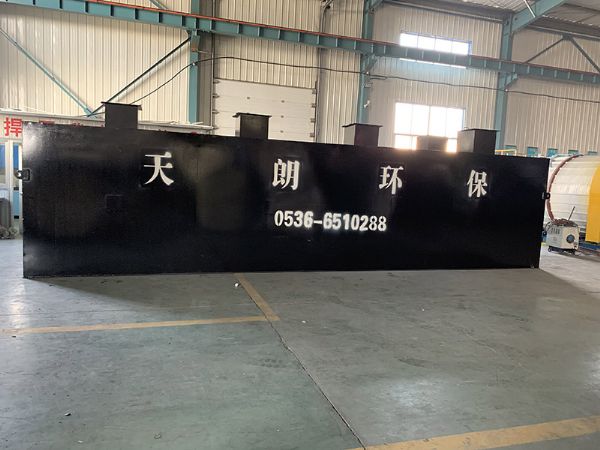
Product analysis and process introduction of buried integrated sewage treatment equipment
Integrated domestic sewage treatment equipment process introduction
(Integrated domestic sewage equipment, rural domestic sewage, A/O process, aerobic treatment, anaerobic treatment)
The problem of rural domestic sewage pollution has become a problem that cannot be ignored and urgently needs to be resolved. The integrated sewage treatment equipment has a series of advantages such as low investment, low energy consumption, high treatment efficiency, small floor space and convenient management, and is suitable for promotion in rural areas.
Characteristics of rural domestic sewage water quality:
The quality of rural domestic sewage is related to various factors such as the geographical environment, economic development level and living habits of rural areas. According to the existing survey data, the nature of most rural domestic sewage is not much different, and the water quality of sewage is relatively stable. Compared with urban sewage, organic matter, nitrogen, phosphorus and other nutrients are high in content, generally do not contain toxic substances, sewage It also contains synthetic detergents as well as bacteria, viruses, parasite eggs, etc., and the water quality varies from time to time.
Main process of rural domestic sewage treatment equipment: A/O (anaerobic-aerobic activated sludge method), the following introduces the A/O process principle and process.
1, A / O process principle:
Anaoxic/Oxic (A/O) is a sewage biological treatment process consisting of anaerobic and aerobic reaction. After the sewage enters the anaerobic tank, it is mixed with the return sludge. The polyphosphate bacteria in the activated sludge absorbs the BOD in the sewage in a large amount in this process, and releases the phosphorus in the sludge into the mixed solution in the form of orthophosphate. After the mixed liquid enters the aerobic tank, the organic matter is oxidatively decomposed, and the polyphosphate bacteria absorbs the orthophosphate in the mixed solution to the sludge in a large amount. Since the phosphorus accumulating bacteria absorb more phosphorus under aerobic conditions than the phosphorus released under anaerobic conditions, the sewage undergoes the "anaerobic-aerobic" alternating action and the sludge separation of the secondary settling tank to finally achieve phosphorus removal. the goal of.
2. Process description:
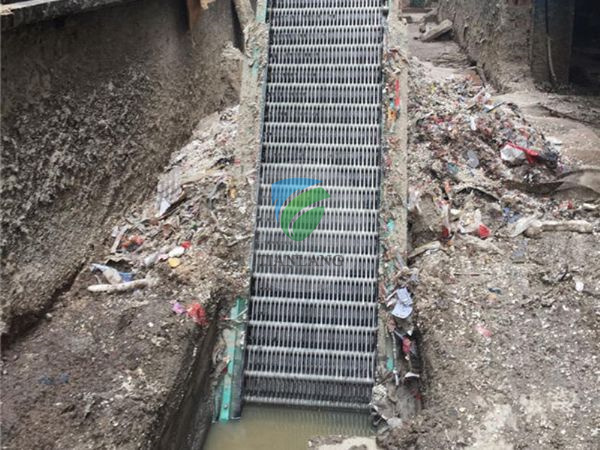
The domestic sewage enters the regulating tank through the grid, and is pumped by the sewage pump to the A-stage biological treatment tank (the anaerobic tank). The anaerobic tank is filled with elastic filler, and the sewage is adsorbed and hydrolyzed by the anaerobic bacteria adsorbed on the filler to make the sewage It inhibits biological bacteria and biodegradable organic matter, and the organic matter of macromolecules is hydrolyzed into small molecules of organic matter, and the solid organic matter is degraded, the amount of sludge is reduced, the content of suspended solids in sewage is reduced, and sewage is utilized. The organic matter in the medium acts as a carbon source, so that the nitrate nitrogen and the nitrite nitrogen in the nitrifying liquid refluxed from the aerobic section in the latter stage form a gaseous nitrogen from the sewage under the action of the anaerobic denitrifying bacteria to reach the nitrogen removal. The purpose is to degrade organic pollutants in the sewage, improve the biodegradability of the sewage, and remove ammonia nitrogen and suspended matter in the sewage. The effluent from the facultative tank enters the O-type aerobic contact oxidation tank. The aerobic microorganisms in the aerobic tank use the soluble pollutants in the sewage to carry out the metabolism, so as to remove the soluble pollutants in the sewage. the goal of. The aerobic pool effluent flows into the secondary settling tank, and most of the suspended solids in the sewage can be effectively removed there. The effluent from the secondary settling tank is stored in the intermediate pool, and then lifted by the intermediate pump to the sand filter to remove colloids, particles and suspended impurities in the water to ensure that the effluent reaches the discharge standard and is disinfected. The grid slag intercepted by the grid is regularly cleaned and transported, and the sludge in the second settling tank is partially returned to the A-stage biological treatment tank, and the other part of the sludge is sent to the sludge tank to stabilize the sludge for aerobic stabilization and reduce the sludge volume. And the odor is discharged, and the supernatant of the digester overflows back to the conditioning tank for recycling. The excess sludge is periodically pumped out of the equipment tank for disposal.




 Send Email
 0536 6162866
 18764642379
 Tel
Tel Home
Home Products